
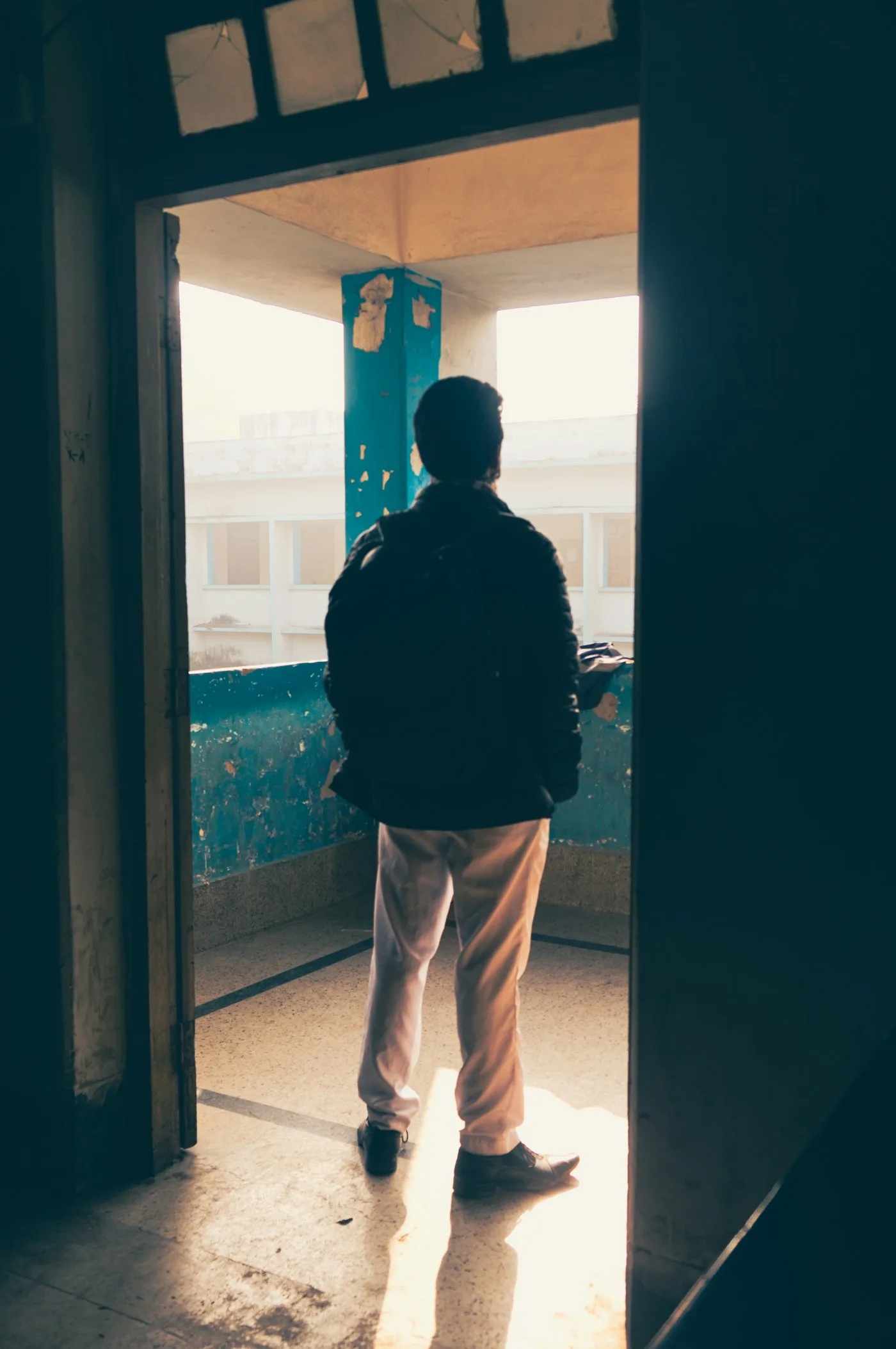
Everyone gets nervous before a presentation or a first date. Social anxiety is something else: the racing heart before a routine phone call, replaying a two-minute conversation for the rest of the night, turning down invitations because the thought of walking into a room is genuinely exhausting to imagine. If that sounds familiar, the first useful thing to know is that it's not just a personality trait you have to live with, and it's more common, and more treatable, than most people realize.
It can look like agonizing over how to word a text message, or letting the phone ring because answering it live feels harder to control than typing something out. It can mean skipping a work lunch, not because the food doesn't sound good, but because sitting at a table where people can watch you eat feels like being on display. None of that looks dramatic from the outside, which is exactly why it's so easy, for other people and sometimes for the person living it, to write it off as just being reserved, quiet, or "not a people person," instead of naming it for what it actually is.
How Common Social Anxiety Actually Is
Social anxiety disorder is one of the most common anxiety conditions in the country, and it tends to start early. The average age of onset is around 13, right in the middle of the years when social standing feels like it matters most.
Social Anxiety vs. Shyness
Shyness is a personality trait. Plenty of people are naturally quieter in groups, take longer to warm up to new people, and prefer smaller gatherings, and none of that requires a diagnosis or treatment. Social anxiety disorder is a clinical condition, and the line between the two comes down to two things: how long it lasts and what it's actually about.
It's Persistent, Not Situational
Shyness tends to ease up once a situation becomes familiar. Social anxiety doesn't. Clinically, it requires a persistent fear or anxiety lasting six months or more around one or more social situations, not a temporary case of nerves that fades after the first few minutes in the room.
It's About Fear of Judgment, Not Just Discomfort
The core fear in social anxiety disorder is specific: being scrutinized, humiliated, embarrassed, or rejected by other people. That fear is intense enough to shape real decisions, avoiding a work call, skipping an event, staying quiet in a class discussion even with the right answer, not because the person doesn't want to connect, but because the anticipated judgment feels like too much to risk.
If social situations have started costing you more than they should, a conversation is a good next step.
How It Shows Up Beyond "Being Nervous"
Social anxiety is rarely just a feeling in the moment. It shows up as physical symptoms (a racing heart, sweating, nausea, a shaky voice), as avoidance (canceling plans, choosing email over a phone call, skipping the party entirely), and as something clinicians call safety behaviors, small ways people try to protect themselves in a feared situation, like rehearsing exact sentences in advance, avoiding eye contact, or leaving early before anything can go wrong. Those behaviors bring short-term relief and long-term reinforcement: avoiding the situation confirms, in the moment, that avoiding it was necessary.
Why People Wait So Long to Get Help
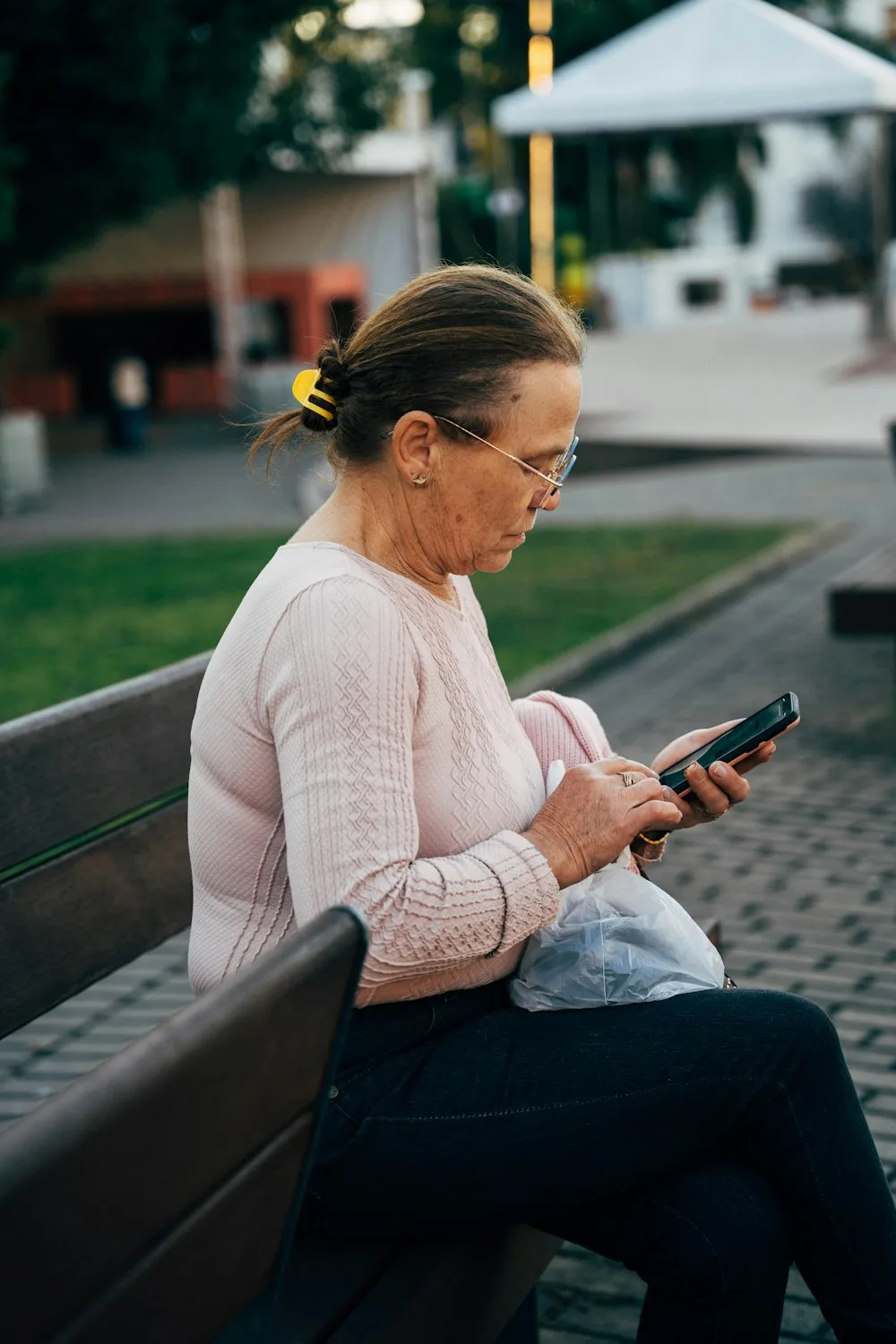

Part of what makes social anxiety hard to treat is what makes it hard to even name: it's easy to mistake for a personality trait ("I'm just an introvert," "I've always been like this"), and the condition itself makes reaching out for help feel like one more high-stakes social interaction to avoid.
That delay has real costs. Left untreated through adolescence and young adulthood, social anxiety tends to narrow a person's world gradually: the college major picked to avoid presentations, the promotion not pursued because it means more meetings, the relationship that stays surface-level because real vulnerability feels too exposed. None of that is a character flaw. It's an untreated, highly treatable condition doing exactly what it does when it's left alone.
What Actually Helps
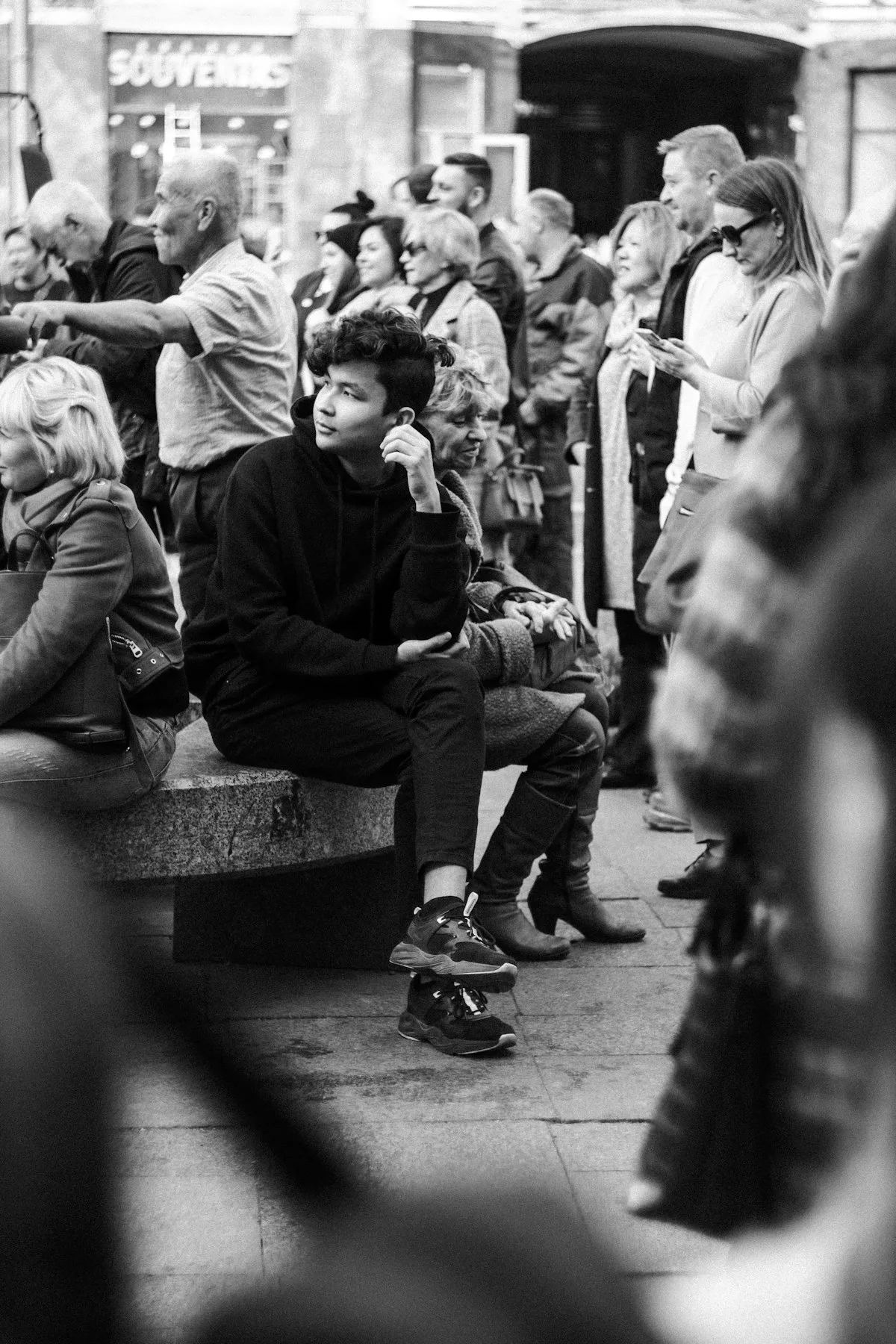
Social anxiety is one of the more responsive conditions to treatment, once someone actually gets into a room with a clinician. Cognitive Behavioral Therapy (CBT) is the most-studied approach, and a specific piece of it, exposure therapy, does most of the heavy lifting: gradually and deliberately practicing the situations that get avoided, starting small (making brief eye contact, asking a stranger for the time) and building toward the harder ones (speaking up in a meeting, initiating a conversation), so the nervous system gets real evidence that the feared outcome doesn't actually happen.
Between half and roughly two-thirds of people who go through exposure-based treatment see a meaningful reduction in symptoms, and for many, improvement continues well beyond the end of treatment itself. CBT also addresses the thinking patterns underneath the avoidance, the automatic assumption that a shaky voice or an awkward pause will be judged far more harshly than it actually is.
BAS's Approach to Social Anxiety
We treat social anxiety as exactly what it is: a real, common, highly treatable condition, not a personality flaw or something to just push through alone. Our clinicians build exposure plans at a pace that's genuinely manageable, not overwhelming, since a plan that feels impossible on day one usually doesn't get followed at all. Sessions are available in Doral and Sunset-Kendall, or by telehealth anywhere in Florida, including for clients who'd rather start with a screen before walking into a room.
Frequently Asked Questions
Is social anxiety the same thing as being an introvert?
No. Introversion is about where someone gets their energy, many introverts are perfectly comfortable in social situations, they just prefer less of them. Social anxiety is about fear of judgment intense enough to interfere with daily life, regardless of how much or little social contact someone actually prefers.
Can social anxiety go away on its own?
For some people symptoms ease with age, but for most, untreated social anxiety persists for years or decades. It doesn't require ignoring it and hoping; it responds well to treatment specifically designed for it.
What if I'm too anxious to go to a first therapy appointment?
That's more common than it sounds, and telehealth exists partly for exactly this reason. Starting with a video or phone session removes the in-person barrier that's often the hardest part.
Is medication necessary, or is therapy enough on its own?
Our approach always starts with therapy, never medication. For most people, therapy alone, particularly CBT with exposure, is enough. Medication is never the first step here. For a small number of people, if therapy alone isn't providing enough relief, it may be considered as a last resort, and only as a decision made jointly between our clinical team and a psychiatry specialist, not something prescribed by default.
How long does treatment usually take?
There's no fixed timeline, but many structured CBT programs for social anxiety run in the range of several months of weekly sessions, with continued improvement often reported well after treatment ends.
Feeling anxious in social situations doesn't mean something is wrong with who someone is. It means there's a specific, well-understood, treatable pattern getting in the way, one that a lot of people carry quietly for years longer than they need to.
This article was created with the assistance of AI and reviewed for clinical accuracy by a licensed member of the Behavioral Aid Solutions clinical team, with editorial review by a journalist.